
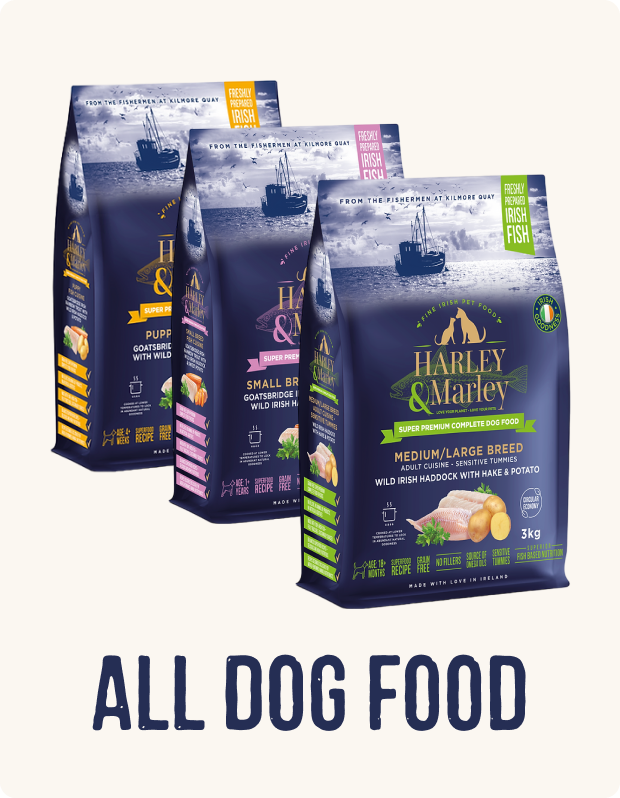


A fish treat isn’t automatically suitable for a dog with a poultry intolerance. When choosing healthy fish dog treats in Ireland, look for clearly named fish and an easy-to-understand recipe. If your dog needs to avoid poultry, read the full ingredients list for poultry ingredients. A “natural” label alone tells you less than the ingredients do.
It’s understandable to want a rewarding treat without ingredients your dog may not tolerate. This guide explains how to read the label, identify ingredients such as sugar and artificial flavours, colours or preservatives, and compare grain-free recipes with other options.
You’ll also learn which fish treats may suit different needs, what can affect market prices, and why a treat’s ingredient list should be considered alongside your dog’s overall diet. The aim is to make comparing options in Ireland clearer, so you can choose with care rather than relying on packaging claims.
Key Takeaways
- Learn which label details can help you avoid unwanted additives and assess whether a fish treat suits a dog with poultry intolerance.
- See what influences fish-treat prices in Ireland and how to compare options without mistaking market prices for a specific product’s price.
- Understand how limited-ingredient treats differ from more heavily formulated options, and what to consider when choosing between them.
- Explore how fish species and preparation affect treat choices, then see when a complete fish-based food may better suit your dog’s needs.
Avoiding additives
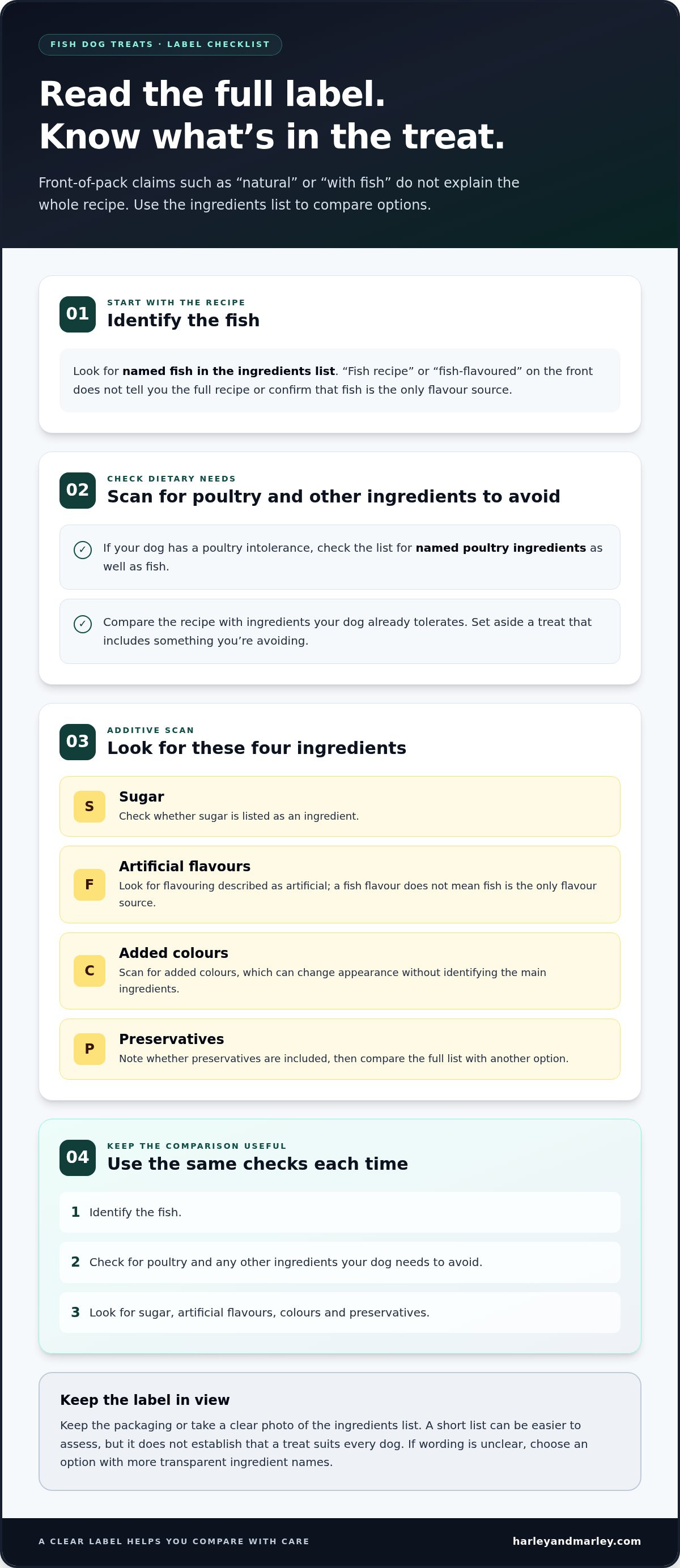
Start with the full ingredients list, not the wording on the front of the pack. “Natural” doesn’t tell you whether a treat contains sugar, artificial flavours, colours or preservatives. Look for named fish, then scan the rest of the list for ingredients you prefer to avoid. A short list can be easier to assess, but doesn’t establish that a treat suits every dog.
Read each ingredient instead of relying on claims such as “fish recipe” or “with fish”. These phrases don’t explain the full recipe. If your dog has a poultry intolerance, check for named poultry ingredients as well as the fish. Compare the label with ingredients your dog already tolerates, and set aside any treat that includes something you’re avoiding.
- Sugar: Check for sugar as a listed ingredient before choosing a treat.
- Artificial flavours: Look for flavouring described as artificial, rather than assuming a fish flavour means fish is the only flavour source.
- Colours: Scan for added colours, which can change appearance without helping you identify the main ingredients.
- Preservatives: Note whether preservatives are included, then compare the full list with another option.
Make label-reading a consistent habit. First, identify the fish. Next, check for poultry and any other ingredients your dog needs to avoid. Then look for sugar, artificial flavours, colours and preservatives. Following the same steps makes it easier to compare products, even when their front-of-pack claims differ.
Keep the packaging or take a clear photo of the ingredients list. It gives you a record of the recipe if you introduce a treat gradually or compare it with another product later. If the wording is unclear, choose a treat with more transparent ingredient names. A clear label helps you make an informed choice.
Fish-flavoured dog treats and prices
Fish treats vary in form, recipe and pack size, so compare the ingredients and consider how you’ll use them. When comparing prices in Ireland, assess the pack details alongside the listed cost.
Fish-flavoured treats
Fish treats come in different shapes, including bites and strips. Shape can affect how easily you break or portion a treat, especially during training. Check that fish is an ingredient, rather than relying on “fish-flavoured” on the front of the pack. Compare the protein source and full ingredients list to see how the recipe fits your dog’s needs.
Treat prices
Fish dog treats on the Irish market typically cost between €4.1 and €5.7, with a median of about €5. This is a market range, not a price for any particular product. Pack size, the amount of fish and preparation can affect value, so compare the cost with the quantity and portion size shown on each pack.
To compare value, check the net weight and consider how many suitable portions the pack provides. A larger pack may cost more overall but contain more treats, while smaller bites may be easier to portion for training. Compare pack sizes and ingredients, rather than judging by the front-of-pack price alone.
- For training: Consider whether each treat can be offered quickly and in small portions.
- For longer chewing: Compare the shape and texture with your dog’s chewing habits.
- For ingredient priorities: Check the named fish and protein source against your dog’s dietary needs.
Price isn’t the only useful comparison. Packs at a similar price can differ in fish ingredients, treat size and intended use. Read the quantity and feeding guidance, then choose according to how often you plan to reward your dog. For regular training, easy portioning may matter more than buying the largest pack.
Natural treats versus regular treats
“Natural” describes an approach, not a guarantee that a treat suits every dog. A practical comparison starts with the ingredient list: natural options may use limited ingredients, such as single-source fish, freeze-dried pieces, air-dried jerky, or real vegetables and fruit. Regular treats can have more complex recipes, so compare the actual contents rather than relying on the label alone.
For example, a salmon-only treat makes its main ingredient clear. A treat combining fish with several other ingredients may be less suitable when you’re looking for a simple recipe. Consider ingredients, preparation and intended use together. A short list can make comparison easier, but it doesn’t mean a treat is nutritionally complete or right for your dog.
- For a simpler recipe: Compare single-source fish treats with products containing several protein sources.
- For a homemade option: Fruit slices, plain yoghurt drops and cooked sweet potato slices are examples of possible treats.
- For a specific purpose: Choose a treat by its use, such as a small reward or a dental chew.
Dental chews differ from small training rewards in size and intended role. Choose a chew that fits your dog’s mouth, supervise chew time and use dental chews daily. They can help reduce plaque and tartar build-up and freshen breath, but they aren’t interchangeable with every snack. Consider your dog’s chewing behaviour and the chew’s size and durability.
Fish treats may also provide omega-3 fatty acids, including EPA and DHA, which are linked to skin and coat health in dogs. Treats remain an addition to the feeding routine, so consider their ingredients alongside your dog’s regular food. If a homemade recipe includes salmon, sweet potato or yoghurt, use the ingredient as a treat example, not as a complete diet. The best comparison is the one that matches your dog’s needs and the reason you’re offering a snack.
Which fish species are safe for dogs, and which should be avoided?
A fish species name identifies the source, but doesn’t establish that the whole recipe suits every dog. Consider the named fish alongside the other ingredients and preparation details. A salmon treat and a cod treat, for example, use different fish, but the species name alone can’t tell you whether either recipe fits your dog.
Use the label to compare treats. Look for a clearly named fish rather than a general “fish” description, then consider your dog’s known food intolerances and any ingredients they need to avoid. If your dog has reacted to a particular fish, exclude treats containing that species.
- Named source: Note whether the ingredients specify salmon, cod or another fish.
- Recipe: Read the complete ingredients list, not only the flavour description.
- Preparation: Check how the fish is presented, such as a dried strip or small bite.
- Individual history: Avoid fish ingredients linked to a known reaction in your dog.
“Fish-flavoured” and “made with fish” don’t provide the same detail. The first describes flavour; the second indicates fish is an ingredient, but you still need to know which fish. If the package names salmon, for example, you can compare that source with your dog’s dietary history and the rest of the recipe.
No universal list can establish which fish species is safe for every dog. Use the species name as one part of your decision: check that the ingredients are clear, consider how the treat is prepared, and avoid anything your dog is known to react to. If your dog has a poultry intolerance, check the full recipe for poultry ingredients, whether it names salmon, cod or another fish. This approach helps you assess the specific treat for your dog, without treating a fish name as a guarantee.
No fish species is universally suitable or unsuitable for every dog. Choose a clearly named fish your dog hasn’t reacted to, and check the full ingredients list for anything else they need to avoid.
Harley & Marley: Medium/Large Breed Complete Food
Harley & Marley’s Medium & Large Adult Dogs complete food is a fish-based main meal for owners considering fish beyond occasional treats. Choose complete food when you need your dog’s main meal, rather than a snack for rewards or chewing. Treats and complete food have different roles in a feeding routine.
The range also includes complete food for puppies, small-breed dogs and senior dogs. These fish-based meals are organised by life stage and breed size. Compare the ingredient information with your dog’s needs, particularly if you’re managing a known intolerance.
For a fish-based meal option, explore Harley & Marley’s complete foods, or contact the business to learn more. You can also visit harleyandmarley.com.
Make your next choice with confidence
Turn label-reading into a simple habit: compare the ingredients with your dog’s known sensitivities, then decide whether a treat suits its intended role. If you’re choosing healthy fish dog treats in Ireland, keep your dog’s individual food history at the centre of that decision. A clear, considered choice can make treat time more comfortable and rewarding.
When you’re ready to explore food options as well as treats, Harley & Marley offers fish-based complete foods for different life stages and breed sizes. Choose the option that fits your dog’s needs, and contact the team if you’d like help considering the range.
Contact Harley & Marley for help, and take the next step towards a thoughtful feeding routine for your dog.
Harley & Marley for Fish Dog Treats
Harley & Marley offers Chews & Bites and fish oil, alongside complete food for puppies, small-breed dogs, medium and large adult dogs, and senior dogs.
If you’re exploring healthy fish dog treats in Ireland, consider what suits your dog’s routine. Harley & Marley also offers grain-free dog food, bundles, a monthly food box, towels and toys.
Frequently Asked Questions
What ingredients should I look for in natural dog treats?
Look for a clearly identified main ingredient and a recipe you understand. A fish treat made with a clearly named species, for example, makes its protein source easier to identify. Compare ingredient names instead of relying on broad descriptions, and consider feeding guidance alongside your dog’s size and regular diet. Treats are rewards, not replacements for complete food.
Can I buy natural dog treats online in Ireland?
You can buy dog treats online in Ireland. Harley & Marley sells fish-based Chews & Bites through its online store. The range also includes complete food and fish oil, so decide whether you need a snack, meal or supplement before choosing. If your dog avoids a particular ingredient, read the product information carefully.
What are the healthiest dog treats?
Choose a treat that suits your dog’s dietary needs and the reason you’re offering it. For training, a small reward can be easier to give promptly. Offer it immediately after the behaviour you’re reinforcing. Keep treats appropriate to your dog’s size and routine, and consider them as part of its overall feeding pattern.
What ingredients should I look for in healthy fish dog treats?
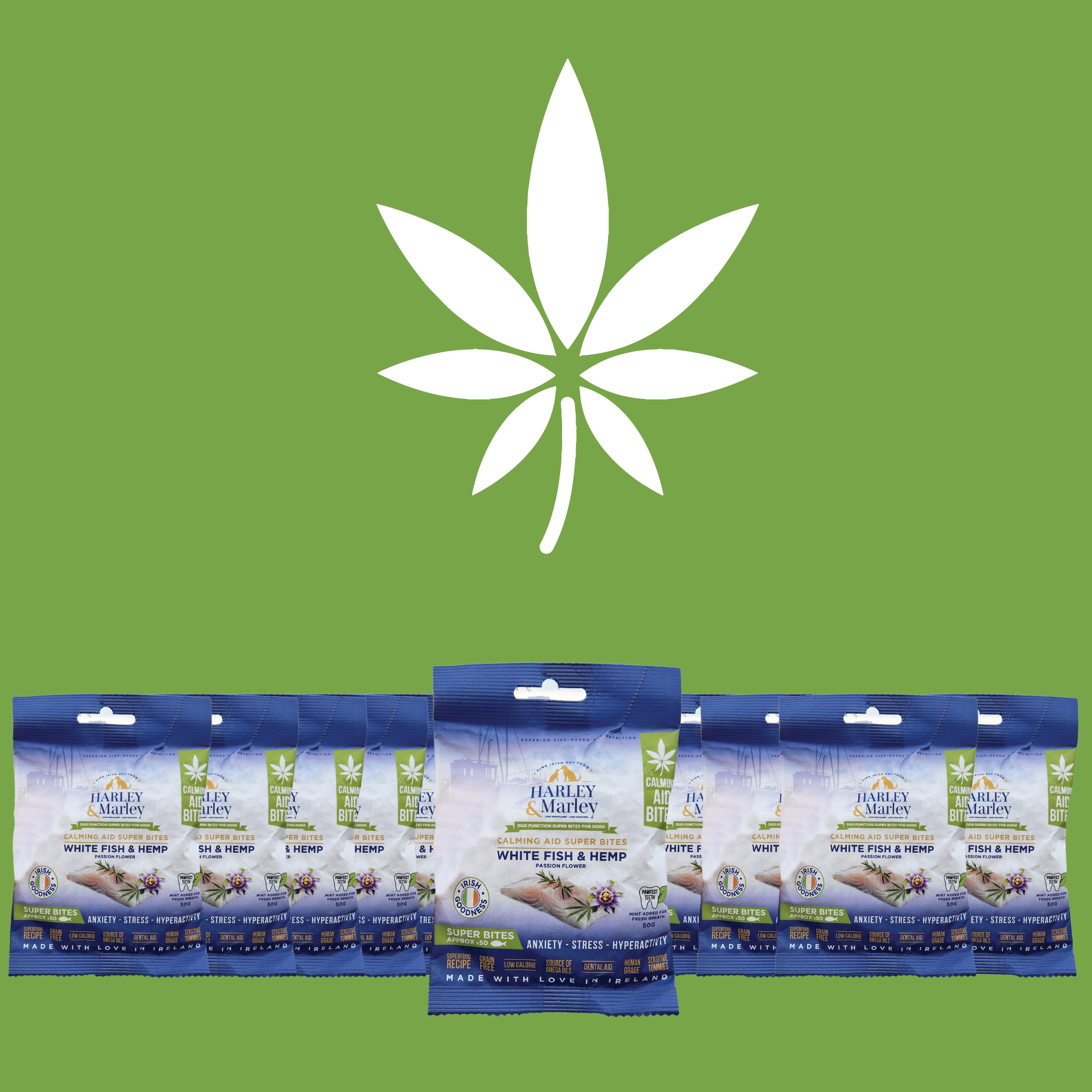
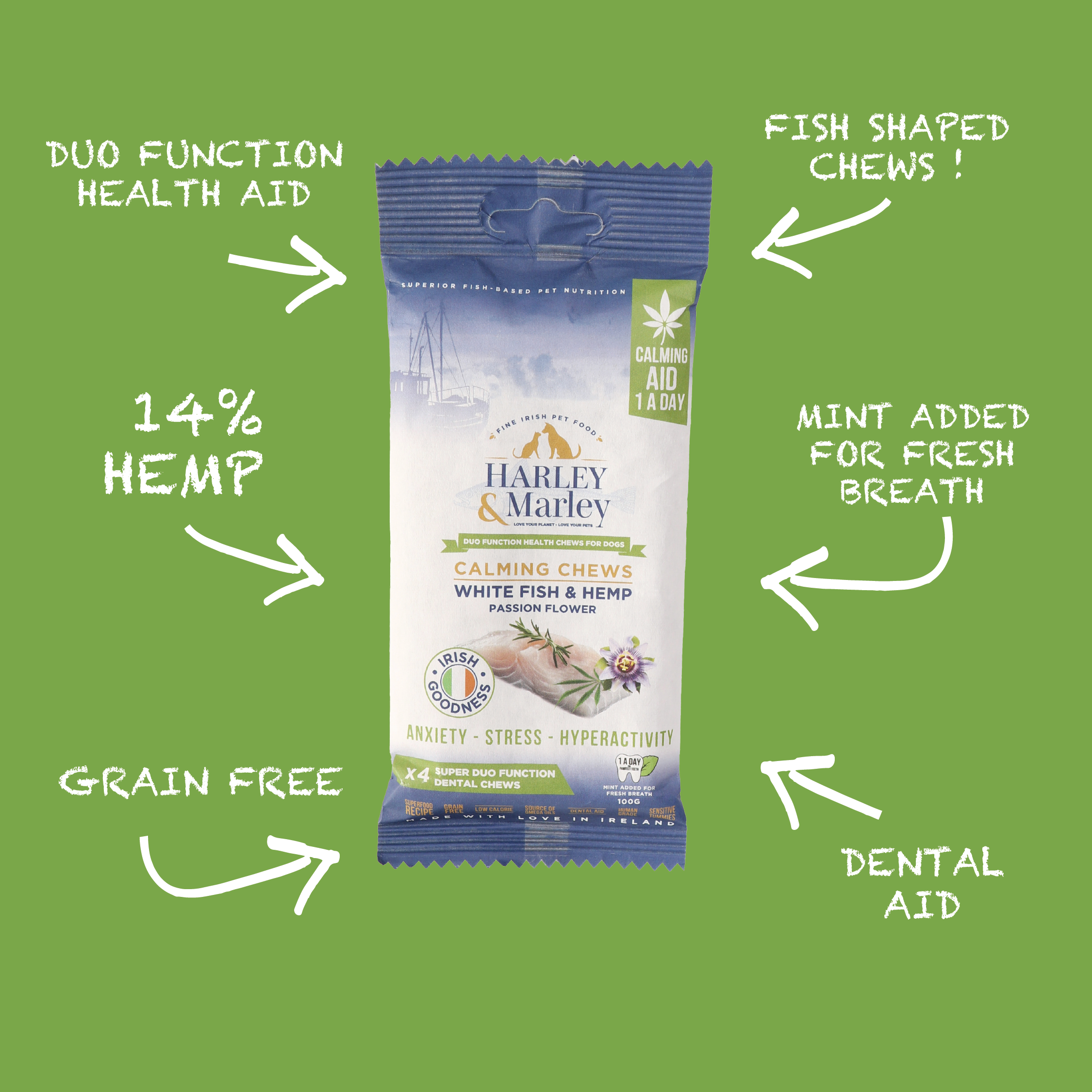
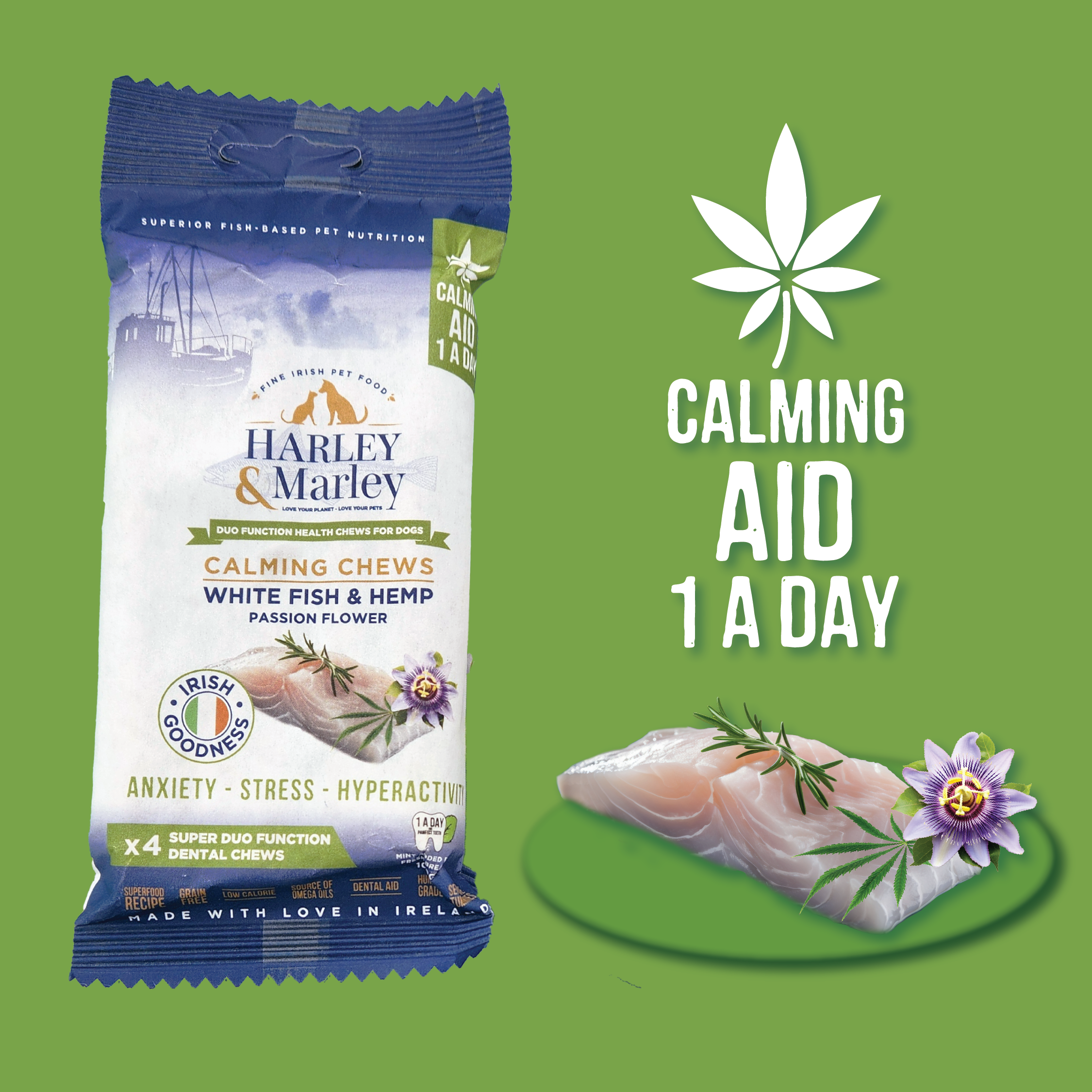
Choose treats that name the fish and make the recipe clear. Harley & Marley’s fish treats are made with fresh Irish fish offcuts and air-dried. The company’s products are grain-free, without fillers, and have no chicken or beef added. Consider these details alongside your dog’s individual sensitivities.
How much do fish dog treats cost in Ireland?
For healthy fish dog treats in Ireland, market prices typically range from €4.1 to €5.7, with a median of about €5. This is a market range, not Harley & Marley’s product pricing. A specific pack’s value depends on its quantity and format, so compare the pack size and treat type alongside the price before choosing.