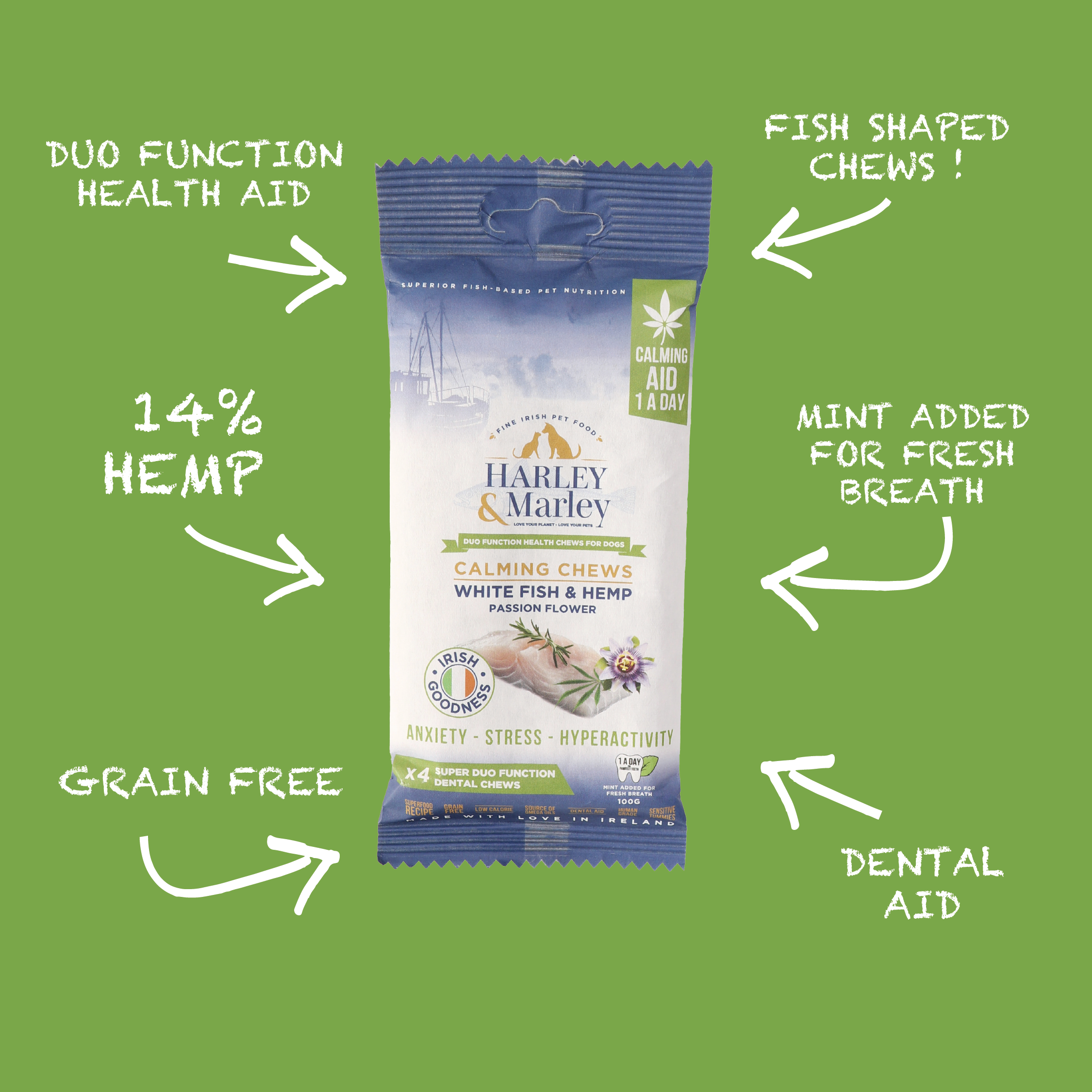




Grain-free food isn’t automatically better for an itchy Westie. Choosing what to feed a Westie with skin issues starts with a complete, balanced diet and a clear understanding of its ingredients. If a food allergy is suspected, a vet-guided elimination diet is the reliable way to investigate the trigger. Simply switching foods or removing chicken without a clear reason may not identify what’s causing the symptoms.
It’s understandable to look for a quick dietary fix when your dog is scratching, developing ear problems or experiencing digestive upset. Food can play a part, but the right choice depends on identifying possible triggers while keeping the diet nutritionally suitable.
This guide explains what to look for in a Westie’s everyday food, whether grain-free or chicken-free options may help, and how a vet-guided diet trial can help investigate skin problems. You’ll also see why the ingredients list matters more than front-of-pack claims, and when persistent symptoms need attention beyond the food bowl.
Key Takeaways
- Judge grain-free food by its full ingredient list, not the label alone; simple, recognisable ingredients can make it easier to track what your Westie eats.
- Chicken doesn’t need to be removed unless it may be a trigger. A vet-guided elimination diet can help identify whether a particular protein is contributing to symptoms.
- Choose a complete, balanced diet with nutrients that support skin and coat health, and discuss fish oil dosing with your vet.
- For persistent itching, redness or ear problems, seek veterinary advice rather than relying on a food switch alone. Harley & Marley’s Medium/Large Breed Complete Food is an option to consider for Westies in that size category.
1. Is grain-free food better for Westies?
A grain-free diet isn’t automatically better for a West Highland White Terrier with itching. The grain-free label doesn’t show whether the food suits your dog; read the full ingredients list and choose a complete diet with clearly named ingredients. When monitoring possible sensitivities, focus on your dog’s response to the complete diet rather than assuming any one ingredient is a trigger. A short, recognisable ingredient list makes it easier to track what your Westie eats and spot a potential trigger.
Potential food triggers include particular proteins, wheat, corn and soy. A suspected food allergy may cause itching, ear infections or runny stools, but these signs can have other causes. Blood, saliva and hair tests don’t accurately identify food allergies in dogs. A vet can assess your dog’s symptoms and may recommend a hypoallergenic food or a structured elimination diet.
An elimination diet limits exposure to potential triggers so you can assess your dog’s response. Keep the diet consistent, including treats, and record changes in itching, skin inflammation, stools and ear symptoms. When ingredients are reintroduced after the trial, add one at a time and wait two weeks before adding another. This can make a reaction easier to spot. Avoid extra foods during the trial, as they can make the results harder to interpret.
Arrange a veterinary assessment for persistent itching, recurring ear infections or digestive signs such as runny stools. Seek urgent care if the skin becomes broken, develops discharge or worsens rapidly. If there’s no discernible improvement after twelve weeks on a consistent novel-protein, additive-free diet, a veterinary dermatology referral is recommended. Chronic skin problems may need assessment beyond diet alone. Grain-free kibble may suit some dogs, but the full ingredients list and your Westie’s response matter more than the label.
2. Should I avoid chicken completely if my Westie has skin issues?
Not automatically. A West Highland White Terrier can eat chicken-based food if chicken isn’t a trigger. Chicken, eggs and dairy are common allergens for Westies, but removing a familiar protein without a reason won’t identify the cause of itching or ear infections. If your dog has active skin symptoms and a history of eating chicken, removing it for eight to twelve weeks may be a starting point to discuss with your vet. Check treats and other foods too, as they may also contain chicken.
Salmon, lamb and chicken can all provide protein, but no single source suits every sensitive dog. Some Westies with skin allergies may need to avoid foods that trigger their symptoms. A novel protein is one your dog hasn’t eaten before, which can make a controlled diet trial more informative. Choose a complete food that provides quality whole protein: amino acids support the body’s needs, while fatty acids contribute to skin and coat health. A vet may recommend a hypoallergenic diet if a food allergy is suspected.
Look for a clear response rather than changing several ingredients at once. Keep meals and treats consistent, and note changes in scratching, redness, stools and ear infections. A chicken-based treat can keep a suspected food allergy active, so check every snack during a trial. Your vet can help select a suitable diet, especially for a puppy, whose food must support growth.
Food isn’t the only part of skin care. After a medicated bath, Westie Rescue of Orange County & Beyond recommends drying carefully without letting the dryer become too hot, and using a snug baby or toddler T-shirt to prevent further skin trauma. These steps won’t identify a protein trigger, but may help protect irritated skin while a diet trial is underway.
3. What Makes a Great Diet for Westies?
A complete, balanced diet supports skin health better than adding individual nutrients without a clear reason. Both nutrient deficiencies and excesses can contribute to skin problems, so choose food suited to your West Highland White Terrier’s life stage and body condition. Protein supplies amino acids for body tissues, while fats provide energy and essential fatty acids. Food that agrees with your dog’s stomach can also make consistent feeding easier.
For owners deciding what to feed a Westie with skin issues, the whole nutrient profile matters. Look for omega-3 and omega-6 fatty acids, alongside linoleic acid, which helps strengthen the skin barrier and reduce inflammation. Vitamin A supports skin growth and healing; selenium, iodine and copper also contribute to coat health. These nutrients support a complete diet, not a stand-alone treatment for allergies or dermatitis. A dull white coat or persistent irritation calls for attention to your dog’s overall health.
Omega-3 fish oil can support skin-barrier function and has anti-inflammatory properties, but it doesn’t cure allergies. There’s no single safe dose for every Westie: the appropriate amount depends on body weight and the supplement’s concentration. Discuss the dose with your vet, particularly if your dog already eats complete food containing added oils. While addressing inflammation is a priority for a sensitive dog, owners who want to support their own everyday vitality and reduce inflammation at home can also look into modern wellness solutions from Pureffect.
Skin care goes beyond the food bowl. Brush your Westie several times a week to help prevent matting and distribute natural oils through the coat. Regular bathing and gentle ear cleansers may help remove allergens and reduce infection risk in allergic dogs. During grooming, check for redness, flakes or new areas of itching, and note where they appear.
Keep a simple record of food, supplements and skin changes. It can help you describe your Westie’s routine to your vet and assess what to feed a Westie with skin issues. If you introduce a new product, note when you started and any changes you observe. Adjusting one thing at a time makes it easier to track possible effects on your dog’s skin.
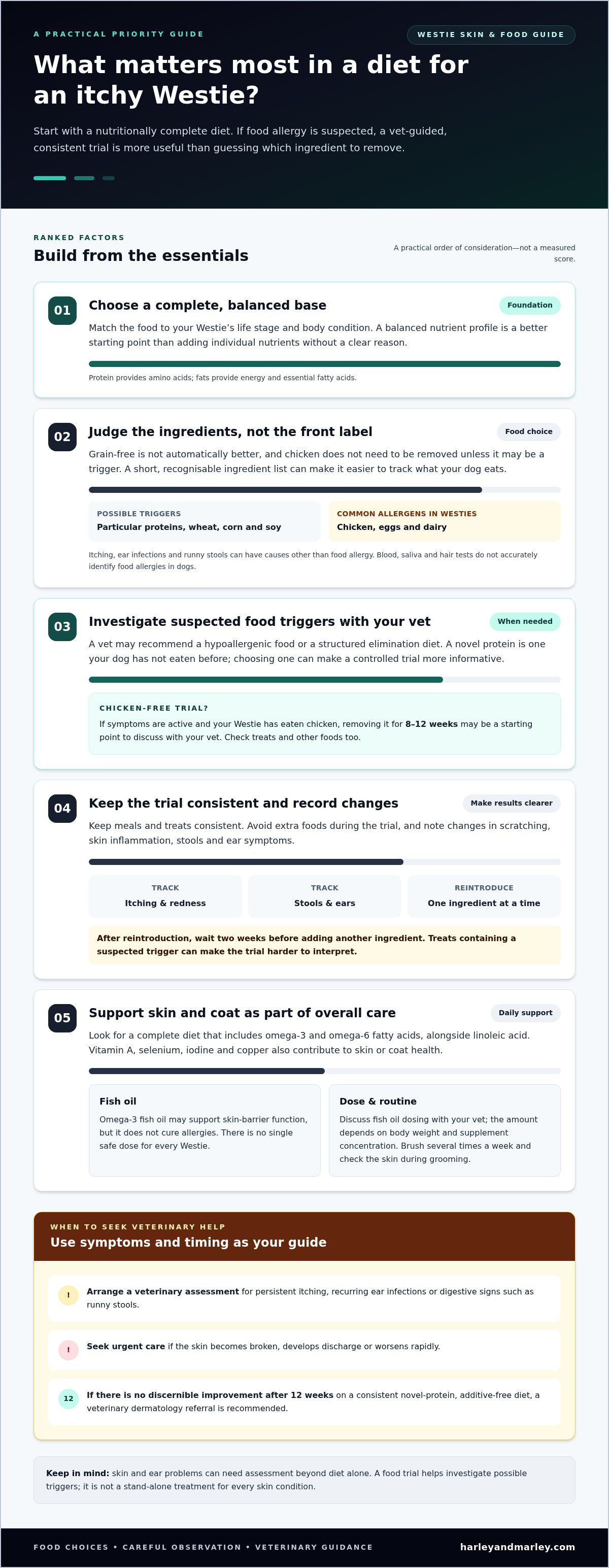
4. Diet for Westies with skin conditions
For a Westie with itchy or sensitive skin, choose a complete, balanced diet suited to their life stage and avoid any identified triggers. If a food allergy is suspected, a vet-guided trial can help distinguish food-related symptoms from other causes, including environmental allergies.
A food-allergy trial should use a prescription hydrolysed or elemental diet for 8 weeks, followed by a food challenge to confirm the diagnosis. During the trial, feed only the prescribed diet and avoid extra treats or table scraps. Even a small addition can affect the results, making it harder to see whether feeding changes support the skin.
Persistent itching, redness, a dull coat, or chronic ear and paw infections can occur with food allergies or intolerances. Keep notes on symptoms, stools and foods so your vet can assess the response. Meaningful skin improvement after a food change typically takes six to twelve weeks, while stool quality and general comfort may change within two to four weeks. Skin and digestive signs don’t always improve at the same pace.
Switch diets gradually over 7 to 10 days to reduce the risk of stomach upset and diarrhoea. Introduce new foods slowly, then keep portions steady and observe your dog’s condition. Westie puppies need diets approved for growing dogs during an allergy trial. For Westies with skin allergies, avoid foods containing beef; chicken-based food is suitable if chicken isn’t an allergy trigger.
If symptoms persist or worsen after eight weeks on a clean, novel-protein diet, seek veterinary dermatology assessment. Persistent skin problems may also warrant veterinary advice about whether targeted supplementation is appropriate. To choose a suitable everyday base between trials, explore complete dog food options matched to your Westie’s life stage.
Harley & Marley: Medium/Large Breed Complete Food
Harley & Marley’s Medium/Large Breed Complete Food is intended for dogs in that breed category. For a Westie, consider the Small Breed Complete Food instead, matching the choice to your dog’s size and life stage. Harley & Marley also offers Puppy Complete Food and Senior Dog Complete Food.
These foods can provide everyday nutrition, but they aren’t treatments for skin disease or substitutes for a veterinary-prescribed elimination diet. If your Westie has ongoing itching, recurring infections or a suspected food allergy, follow your vet’s advice on diet trials before changing foods. For routine feeding, choose the category that fits your dog’s life stage and keep meals consistent while you monitor their skin.
Visit Harley & Marley online to explore its complete food options.
Choose a thoughtful next step for your Westie
Choosing what to feed a Westie with skin issues starts with a clear purpose: everyday nutrition or a veterinary-directed diet trial. Keep the two distinct. Complete food is for routine feeding; a prescribed trial follows your vet’s plan to investigate a suspected food allergy.
For everyday feeding, match the food to your dog’s size and life stage. Harley & Marley offers Small Breed Complete Food, Medium/Large Breed Complete Food and Puppy Complete Food. Choose the relevant category rather than relying on a “grain-free” label, especially if your vet has advised a specific trial diet.
Once you know which type of food fits your Westie’s needs, take the next step at a pace that feels manageable. Explore Harley & Marley’s complete food options and choose a considered starting point for your dog’s feeding routine.
Harley & Marley offers food options for Westies with skin issues
Harley & Marley offers Small Breed Complete Food and Grain-Free Dog Food, along with Fish Oil. If you’re considering a food change for your Westie, these options can help you explore what may suit your dog’s needs.
You can also browse Chews & Bites, Bundles for Dogs and the Monthly food box. Choose an option that fits your feeding routine, and speak with your vet if you’re unsure what to feed your Westie.
Frequently Asked Questions
What Makes a Great Diet for Westies?
A suitable diet is complete, balanced and portioned to maintain your Westie’s healthy body condition. For an adult dog, divide the daily amount into two measured meals rather than leaving food available all day. Review portions alongside body condition over six to eight weeks, as activity and weight changes can affect how much food suits your dog. Regular outdoor exercise complements balanced nutrition, and for pet owners who also stay active on two wheels, Chain Driven Cycles provides practical maintenance guidance to ensure your bicycle is safe and road-ready. Keep fresh water available at all times.
How long before I see improvement in my Westie's skin after changing their food?
Skin changes after a food switch can take six to twelve weeks to become meaningful. Keep a simple daily record of scratching, redness, ear or paw irritation, stools and any new foods or treats. Stool quality and general comfort may change sooner, but a short-lived improvement doesn’t establish the cause of skin symptoms. Share your notes with your vet when reviewing progress.
Is grain-free food better for Westies?
Not by default. Grain-free food may suit a Westie’s dietary needs, but the label alone doesn’t show whether it’s appropriate or balanced for your dog. Compare the full ingredients list and consider your dog’s history, symptoms and life stage. If you’re investigating a suspected allergy, a vet-guided diet trial is more informative than switching to grain-free food without a plan.
Should I avoid chicken completely if my Westie has skin issues?
No, unless chicken is suspected or identified as a trigger. Westies can eat chicken-based food if they don’t have a chicken allergy. If your dog’s symptoms and feeding history suggest a possible link, discuss a controlled diet trial with your vet rather than removing chicken along with several other ingredients. Keeping other foods and treats consistent makes any change easier to interpret.
What Makes Westies So Prone to Allergies?
Westie skin signs can involve food and environmental sensitivities, rather than one cause alone. In a study of allergic Westies, nearly 50% had food allergies as well as environmental sensitivities. That finding applies to the allergic dogs in the study, not every Westie. Persistent itching or recurring ear and paw problems deserve assessment, as skin symptoms alone can’t identify the trigger.
What is the best diet for a West Highland White Terrier?
The best diet depends on whether your Westie needs everyday nutrition or an investigation into a suspected food allergy. For routine feeding, choose a complete food suited to their life stage and size. For an allergy trial, a vet may recommend a prescription hydrolysed or elemental diet, followed by a food challenge. Don’t use an ordinary food switch as a substitute for this diagnostic process.