


What if the secret to resolving your dog’s persistent skin irritation isn't found in a medicine cabinet? You have likely spent hours scrutinising labels, wondering is grain free dog food better for your pet, whilst worrying if traditional fillers are the silent culprit behind a dull coat or a sensitive stomach. It is exhausting to weigh these options when all you want is a thriving, energetic companion.
This 2026 guide cuts through the marketing noise to provide the scientific clarity you deserve. We promise to move beyond the hype, offering an expert look at how removing grains allows for a higher concentration of bioavailable fish proteins and functional botanicals. We will provide a clear framework to help you choose a diet that restores your dog's natural vitality and ensures their long-term health is never a matter of guesswork.
Key Takeaways
- Discover the biological reasons why many owners ask is grain free dog food better for managing digestive sensitivities and fermentation in the gut.
- Learn to distinguish between true grain allergies and common dietary intolerances. This clarity ensures you aren't mismanaging your pet's symptoms.
- Understand how removing grain fillers creates space for higher concentrations of bioavailable proteins. This shift directly supports muscle maintenance and metabolic health.
- Identify the specific physical signs, such as itchy skin or bloating, that suggest your pet might thrive on a grain-free trial.
- Explore why fish-based, grain-free recipes enriched with high-quality Irish fish oil offer superior support for joint and coat vitality.
Understanding the Grain-Free Dog Food Debate in 2026
The conversation surrounding canine nutrition has shifted dramatically over the last decade. What began as a niche dietary choice for dogs with severe allergies has evolved into a mainstream standard for owners seeking optimal health. At its simplest, grain-free dog food refers to recipes that omit traditional cereals, replacing them with alternative carbohydrate sources like sweet potato, peas, or lentils. This transition reflects a growing desire amongst pet parents to move away from high-carbohydrate fillers toward more nutrient-dense, functional ingredients.
Many owners find themselves asking, is grain free dog food better for their specific pet? The answer often lies in the quality of what replaces those grains. In 2026, being a conscious expert means looking beyond mere omission. It isn't just about what is missing from the bowl; it's about the biological value of what remains. We are seeing a move toward diets that prioritise high-quality proteins and healthy fats, ensuring that every calorie serves a functional purpose for the animal's vitality.
What Exactly Counts as a 'Grain' in Pet Food?
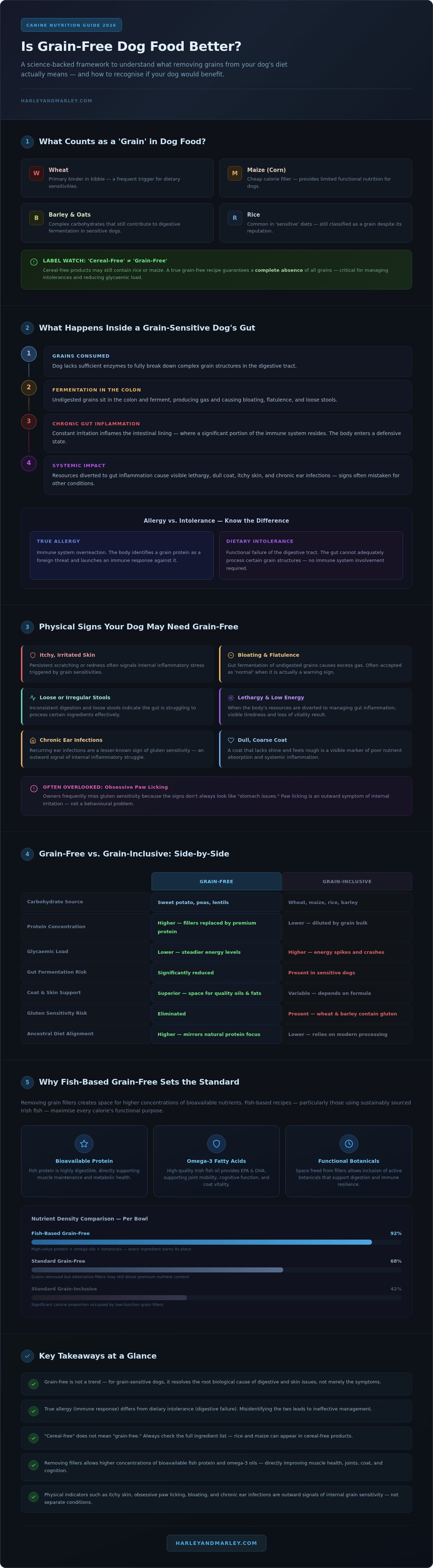
To make an informed choice, you must first recognise the ingredients that fall under the grain umbrella. Historically, these have been used as low-cost calorie fillers to bulk out kibble and provide structural integrity during the manufacturing process. Common grains include:
- Wheat: Often used as a primary binder but a frequent trigger for dietary sensitivities.
- Maize (Corn): A cheap energy source that provides limited functional nutrition.
- Barley and Oats: Whilst technically complex carbohydrates, they can still contribute to digestive fermentation in sensitive dogs.
- Rice: Frequently found in 'sensitive' diets, yet still classified as a grain.
It is vital to distinguish between 'cereal-free' and 'grain-free' labelling. Cereal-free products may still contain certain types of grains like rice or maize, whereas a true grain-free recipe ensures a complete absence of these ingredients. This distinction is crucial for owners managing specific intolerances or looking to reduce the overall glycaemic load of their dog's meals.
The 2026 Perspective on Canine Dietary Requirements
Modern nutritional science has refined our understanding of the canine genome. Whilst dogs have evolved the ability to digest certain starches, the question of whether is grain free dog food better for long-term health often comes down to biological appropriateness. A domestic environment doesn't change a dog's fundamental need for bioavailable protein and essential fatty acids.
Current research emphasises that whilst dogs aren't obligate carnivores like cats, their digestive systems thrive on ingredients that mirror their ancestral diet. This is particularly relevant in the Irish market, where there is a renewed focus on provenance and ethical sourcing. Choosing a grain-free path allows for a higher concentration of premium ingredients, such as sustainably sourced fish and high-quality oils, which support everything from joint mobility to cognitive function. By removing the distraction of heavy fillers, we allow the most potent nutrients to take centre stage.
The Biological Case: Why Some Dogs Struggle with Grains
To understand if is grain free dog food better, we must look at the mechanical reality of the canine gut. Whilst many dogs process carbohydrates efficiently, others lack the specific enzymes required to break down complex grain structures. This leads to a distinction between a true allergy, which is an immune system overreaction, and a dietary intolerance. An intolerance is a functional failure of the digestive tract. When grains aren't fully digested, they sit in the colon and begin to ferment. This process creates the uncomfortable bloating, flatulence, and loose stools that many owners mistakenly accept as normal behaviour.
This internal irritation does more than cause gas. Chronic gut inflammation can trigger a systemic response, as a significant portion of a dog's immune system resides within the intestinal lining. When the gut is constantly battling hard-to-digest fillers, the body's resources are diverted. This often results in visible lethargy and a lack of that typical canine spark. By removing these stressors, the body can redirect its energy toward repair and vitality.
Identifying Gluten Sensitivity and Intolerance
Gluten is a specific protein found in grains like wheat, barley, and rye. It acts as a binder, but for sensitive dogs, it behaves as a persistent irritant. Owners often miss the early signs of gluten sensitivity because they don't always look like "stomach issues." Instead, you might notice chronic ear infections, obsessive paw licking, or a coat that feels coarse and dull. These are often outward signals of an internal inflammatory struggle. If you are raising a young dog, choosing the best puppy food for sensitive stomach Ireland can prevent these issues from becoming life-long habits.
The Glycaemic Index and Energy Levels
Traditional grains often sit high on the glycaemic index. This means they cause a rapid spike in blood sugar followed by an inevitable crash. For a growing puppy or an active breed, these fluctuations lead to erratic energy levels and irritability. You want steady, sustained fuel. Grain-free recipes typically swap these simple starches for slow-release carbohydrates like sweet potato or peas. These ingredients provide a consistent stream of glucose to the bloodstream, ensuring your pet remains focused and energetic throughout the day. When considering if is grain free dog food better for active dogs, this metabolic stability is a significant factor.
Transitioning to a diet that prioritises clean, functional ingredients can transform a dog's daily comfort. Exploring a grain-free range specifically formulated with fish protein often provides the gentle digestive experience sensitive pets require. By removing the burden of heavy grains, we allow the body to focus on what matters: health and happiness.
Grain-Free vs. Grain-Inclusive: A Comparison Framework
Evaluating is grain free dog food better requires a look at the fundamental composition of the bowl. Traditional grain-inclusive diets often rely on cereals to reach specific calorie targets and provide structural bulk. In contrast, premium grain-free formulations replace these starches with higher concentrations of animal or fish proteins and functional vegetables. This shift changes the entire nutrient profile. Whilst a grain-heavy food might offer energy through simple carbohydrates, a grain-free alternative focuses on providing energy through fats and proteins, which are often more aligned with a dog's natural metabolic needs.
The 'filler' factor is perhaps the most significant differentiator. In many standard recipes, grains can account for a large percentage of the total volume, acting as a cost-effective way to satiate the animal without adding expensive nutrients. High-quality grain-free options typically boast significantly higher meat or fish percentages. This means your dog receives more essential amino acids and minerals per gram of food consumed. Whilst the price per bag may be higher, the cost-to-benefit ratio often balances out. Because the food is more nutrient-dense, you can frequently serve smaller portions to achieve the same level of nourishment.
By 2026, the scientific consensus regarding Dilated Cardiomyopathy (DCM) has matured significantly. Earlier concerns focused solely on the absence of grains, but modern research indicates that heart health is more closely linked to overall formulation balance and the presence of essential amino acids like taurine. Choosing a recipe that prioritises high-quality, bioavailable proteins, such as those found in fish-based diets, ensures that the heart receives the structural support it needs without requiring grain-based fillers.
Nutrient Density and Bioavailability
Fish-based proteins are a standout choice for grain-free diets due to their exceptional amino acid profiles. Bioavailability refers to the proportion of a nutrient that is successfully absorbed and utilised by the body's metabolic pathways. Unlike plant proteins found in grains, fish protein is highly efficient for dogs to process, meaning less waste and more support for muscle maintenance. These recipes are also naturally rich in taurine, which is vital for cardiac function and vision health. When you ask if is grain free dog food better, the answer often hinges on this superior ability to deliver concentrated nutrition directly to the dog's cells.
Weight Management and Satiety
Maintaining a healthy weight is often easier on a grain-free diet because of how it manages satiety. Grains can cause rapid insulin spikes, leading to hunger shortly after a meal. Grain-free recipes utilise fibre-rich alternatives like peas or sweet potatoes, which provide a slower release of energy. This keeps your dog feeling full for longer. This is a strategic advantage for senior dogs with slower metabolisms, as it prevents the weight gain often associated with high-carb fillers. For owners of active medium or large breeds, this sustained energy ensures they remain fit and lean without the "filler-heavy" bloat often seen in traditional kibble.
While managing your dog's nutrition is a vital step for their vitality, it is equally important to consider other aspects of their well-being; for instance, you can explore Pet Dentistry with the award-winning team at London Veterinary Surgeries to ensure their oral health is maintained alongside their improved diet.
Identifying if Your Dog Needs a Grain-Free Diet
Determining whether is grain free dog food better for your household isn't a matter of following trends; it's about observing your pet's unique physical feedback. If your dog suffers from persistent skin irritations, obsessive paw licking, or chronic ear infections, these are often the body's way of signalling a dietary mismatch. Whilst these signs often point toward a grain intolerance, it is vital to consult your veterinarian to rule out underlying medical conditions. If a dietary trigger is suspected, an elimination diet is the gold standard for identification. This involves moving to a clean-label, limited-ingredient recipe to see if symptoms subside. For a deeper look at how specific ingredients support health, our fish-based dog food pillar provides a comprehensive overview of functional canine nutrition.
Before beginning a trial, keep a close eye on these common indicators of dietary sensitivity:
- Frequent flatulence or soft, inconsistent stools.
- A dull, brittle coat or excessively dry, flaky skin.
- Intermittent vomiting shortly after consuming grain-heavy meals.
- Visible lethargy or a lack of enthusiasm for exercise after eating.
The 7-Day Transition Method
A sudden change in diet can shock the canine microbiome, leading to what we call "transition tummy." This mild digestive upset is easily avoided by allowing the gut bacteria time to adapt to new protein and fibre sources. To ensure a smooth switch, follow this structured 7-day plan:
- Days 1-2: Combine 25% of the new grain-free food with 75% of the current diet.
- Days 3-4: Move to a 50/50 split between the two foods.
- Days 5-6: Increase the new food to 75% and reduce the old food to 25%.
- Day 7: Your dog is ready for a 100% grain-free meal.
If you notice any loose stools, simply stay at the current percentage for an extra day until their digestion settles. This patience ensures your dog reaps the full benefits of their new nutrition from the very first week.
Life Stage Considerations: Puppies to Seniors
Nutrition needs evolve as a dog ages. For those seeking puppy food Ireland, grain-free options are excellent for supporting sensitive developing systems whilst providing the high protein levels required for rapid growth. In larger animals, managing weight through a grain-free diet reduces unnecessary stress on the skeletal system. This is a key focus in our large breed dog food Ireland guide, where joint health is paramount. Senior dogs also thrive on fish-based grain-free recipes, as the high digestibility of fish protein is significantly gentler on an ageing metabolism.
Ready to see the difference a clean, grain-free diet can make for your pet? Explore our complete range of Grain-Free Dog Food and find the perfect match for your dog's life stage.
Why Harley & Marley’s Fish-Based Nutrition Elevates the Grain-Free Standard
When asking is grain free dog food better, the answer often depends on the quality of the protein that replaces the grain. At Harley & Marley, we have positioned ourselves at the intersection of grain-free purity and the functional power of fish. By choosing a diet that omits traditional cereals, we create space for higher concentrations of premium Irish fish, which provides the essential amino acids and micronutrients your dog needs to thrive. This isn't just about removing a potential irritant; it is about replacing it with a biologically superior energy source that supports every aspect of canine health.
Our approach as a conscious expert means we prioritise transparency and sustainability in every recipe. We utilise high-quality Irish fish oil as a core functional differentiator, ensuring that every meal is naturally enriched with the fatty acids required for cognitive function and joint mobility. Whether you are looking for Small Breed Complete Food or Senior Dog Complete Food, our range is designed to provide a "clean label" experience. This means no hidden meat by-products or vague fillers, just pure, sustainably sourced ingredients that honour the environment whilst nourishing your pet.
The Synergy of Fish Protein and Grain-Free Recipes
Fish is widely regarded as the ultimate hypoallergenic protein, making it the gold standard for sensitive Irish dogs. Unlike common meat-based proteins that can sometimes trigger dietary sensitivities, fish is gentle on the digestive tract and highly bioavailable. This efficiency ensures that your dog absorbs maximum nutrition with minimal metabolic waste. Our clean label philosophy ensures that our Grain-Free Dog Food contains only the finest components, focusing on the restorative power of marine nutrients.
The synergy between fish protein and a grain-free base is particularly evident in skin and coat health. Grain-intolerance often leaves a dog with inflamed, itchy skin and a brittle coat. Our recipes are naturally rich in Omega-3 and Omega-6 fatty acids, which act as internal moisturisers to repair the skin barrier and restore a brilliant shine. By removing the inflammatory trigger of grains and adding these potent oils, we provide a dual-action solution for pets struggling with persistent irritations.
A Subscription to Better Health
Consistency is the foundation of long-term vitality, especially for dogs with sensitive stomachs. Our monthly food box ensures that your dog never misses a day of premium nutrition, providing the convenience of national delivery for our super premium, Irish-made food. This subscription model allows you to maintain a steady dietary routine, which is vital for stabilising the gut microbiome and preventing the "transition tummy" issues discussed earlier. It is a reliable way to ensure your pet's health remains a priority without the stress of last-minute shopping.
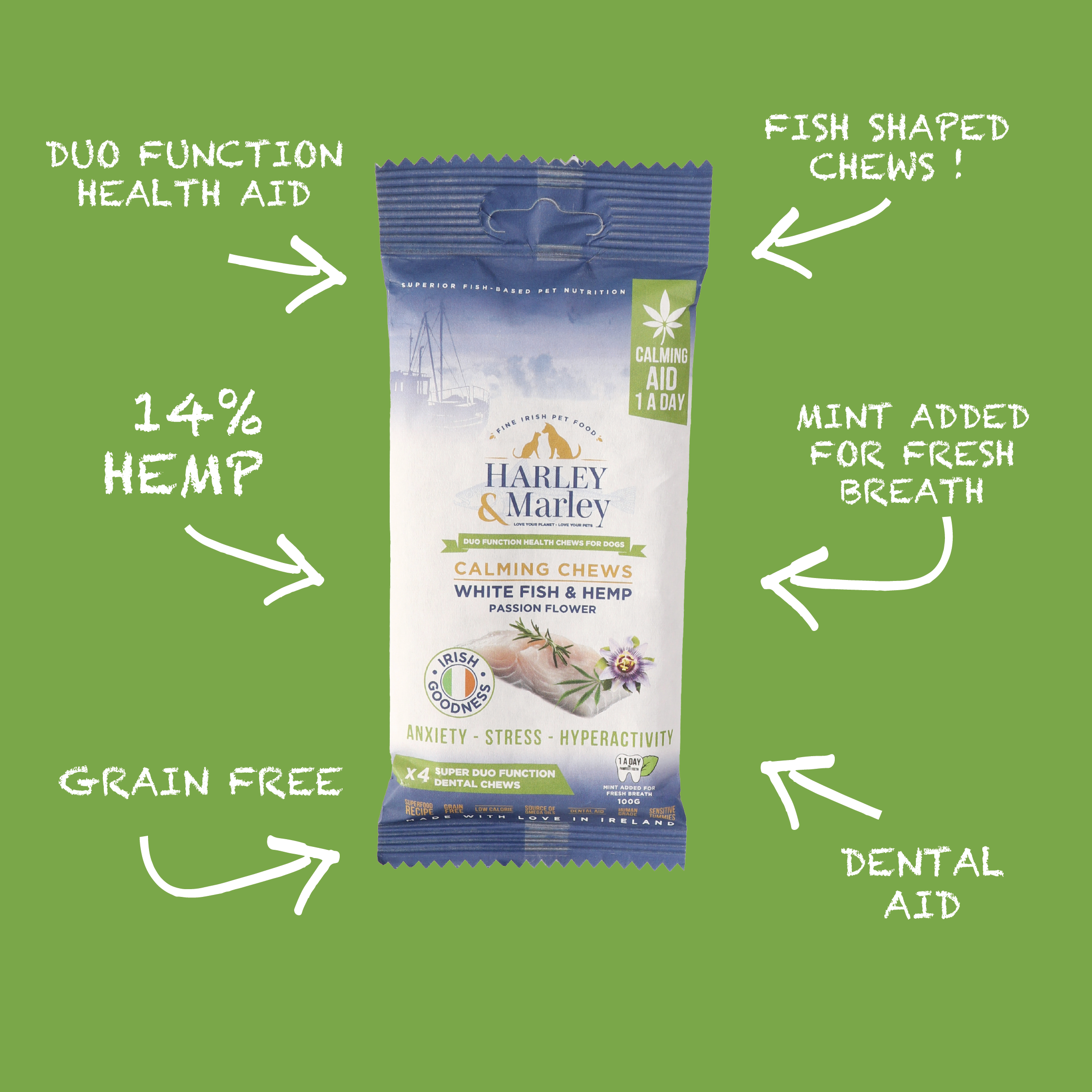
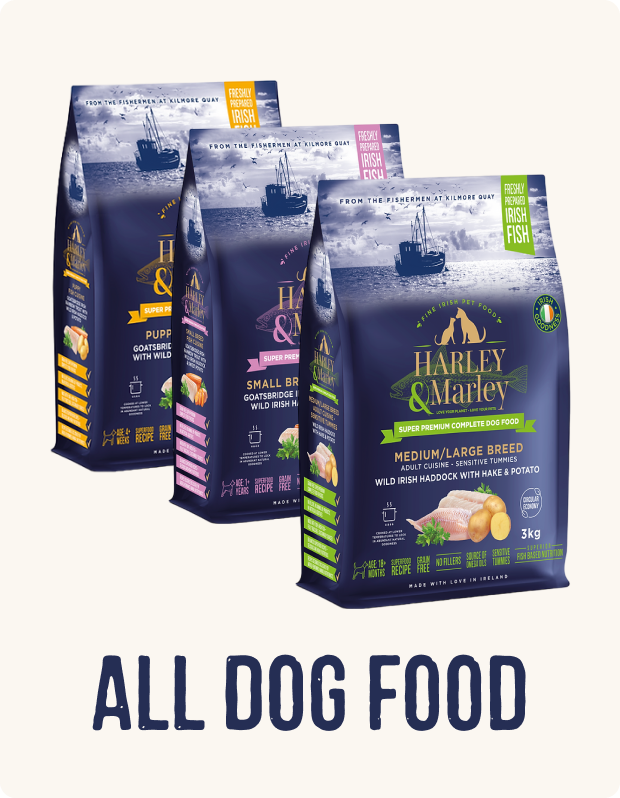
We invite you to explore our full ecosystem of health-focused products, including our Medium/Large Breed Complete Food and our specialised Puppy Complete Food. To maintain a completely grain-free lifestyle, you can also integrate our Chews & Bites into your dog's daily routine. These treats provide the same high-quality fish protein as our main meals, ensuring that even reward time contributes to their overall health. When you consider is grain free dog food better for your pet, remember that the best results come from a holistic, high-quality approach that prioritises purity from bowl to bite.
A truly holistic approach to pet care also extends to safety and identification. As your dog enjoys their improved energy levels outdoors, ensuring they are properly identified is a must; online resources like Pet ID Tags Australia offer expert guidance on choosing the most durable tags to suit an active lifestyle.
Choosing the Path to Lasting Canine Vitality
Deciding is grain free dog food better for your pet ultimately comes down to prioritising biological appropriateness over cost-effective fillers. By removing complex grains that often trigger fermentation and inflammation, you allow your dog's digestive system to focus on absorbing high-quality nutrients. We have explored how the synergy of pure fish protein and slow-release carbohydrates provides the steady energy and skin-repairing Omega oils that traditional diets often lack.
As an Irish-owned business, we take immense pride in our sustainably sourced, super premium fish-based complete nutrition. Our tailored recipes are formulated for every life stage, ensuring that whether you are nourishing a growing puppy or a senior companion, they receive the precise balance they require. You have the power to transform their daily comfort and long-term health through conscious dietary choices. Discover our range of premium grain-free fish-based dog food today and witness the tangible joy of a thriving, energetic pet. Your companion deserves a bowl filled with integrity and expertise.
Frequently Asked Questions
Is grain-free dog food better for dogs with skin allergies?
Grain-free diets are often superior for dogs with skin issues because they eliminate common allergens like wheat gluten. By removing these triggers and incorporating high-quality fish oils, the body can focus on repairing the skin barrier rather than fighting inflammation. Owners frequently notice a reduction in redness and scratching after making the switch to a cleaner protein source.
Can puppies eat grain-free dog food safely?
Puppies can safely enjoy grain-free food if it is labelled as a complete food for their specific life stage. These recipes provide the concentrated protein and healthy fats essential for rapid development without the heavy starch load that can cause digestive upset in young dogs. It is a gentle, nutrient-dense way to support their growth from the very beginning.
What are the common side effects of switching to a grain-free diet?
The most common side effect is a temporary change in stool consistency if the transition happens too quickly. Whilst most dogs eventually experience improved energy and coat health, a rapid switch can lead to mild digestive upset or "transition tummy." Following a structured seven-day transition plan allows the canine microbiome to adapt comfortably to the new nutrient profile.
Is grain-free dog food more expensive than regular dog food?
Whilst the price per bag is typically higher, grain-free food is often more economical in the long run. Because the recipes omit cheap fillers in favour of nutrient-dense proteins, you can usually feed your dog smaller portions to meet their daily requirements. This means a single bag lasts longer whilst providing superior nourishment compared to grain-heavy alternatives.
Does grain-free dog food help with weight loss in senior dogs?
Grain-free diets are highly effective for managing weight in older pets because they replace simple starches with complex, slow-release carbohydrates. This helps senior dogs maintain a healthy weight by preventing blood sugar spikes and ensuring they feel satiated for longer periods. It is an excellent strategy for pets with slowing metabolisms who still require high-quality protein.
What is the best alternative to grains in dog food?
Sweet potato and peas are amongst the best functional alternatives to traditional grains like wheat or maize. These ingredients provide essential fibre and vitamins whilst maintaining a lower glycaemic index. They ensure your dog has steady energy levels throughout the day without the risk of digestive fermentation often caused by cereal-based fillers.
Is Harley & Marley dog food suitable for all breeds?
Our fish-based recipes are specifically formulated to support the health of all breeds, from the smallest terriers to the largest hounds. We offer tailored options like our Small Breed Complete Food and Medium/Large Breed Complete Food to ensure each animal receives the correct kibble size and nutrient balance for their specific skeletal and metabolic needs.
How do I know if my dog has a grain intolerance?
Identifying an intolerance involves watching for physical signals like obsessive paw licking, dull coats, or frequent flatulence. Many owners find themselves wondering is grain free dog food better for these specific symptoms. If a gradual move to a grain-free, fish-based diet resolves these persistent issues, it is a clear indicator that grains were the primary dietary irritant.