


Did you know that chicken is the third most frequent food allergen trigger in dogs, responsible for 15% of all cutaneous adverse reactions? For many owners, the search for a reliable dog food without chicken feels like an endless cycle of trial, error, and expensive vet visits for persistent skin irritation. It's heartbreaking to watch your companion suffer from constant itching or digestive upset while you struggle to decode complex, often misleading ingredient labels. You deserve a solution that prioritises transparency over clever marketing.
In this guide, we'll demystify the "4% rule" that allows hidden poultry in many commercial diets and explain why a transition to pure, fish-based nutrition is the most effective path to clear skin and firm stools. We'll explore how sourcing 100% Irish, grain-free ingredients can transform your dog's vitality and restore your peace of mind. By moving toward a clean label philosophy, you can finally provide the functional, bioavailable nutrition your pet needs to thrive without the hidden triggers found in traditional recipes.
Key Takeaways
- Differentiate between immune-mediated allergies and metabolic intolerances to pinpoint the precise root cause of your pet's recurring discomfort.
- Uncover the industry secrets behind "hidden poultry" and learn why a "chicken-free" claim on the front of a bag might not always be 100% accurate.
- Compare the functional benefits of fish versus poultry, focusing on how marine-sourced Omega-3 fatty acids actively suppress inflammatory pathways.
- Implement a safe, incremental feeding schedule when introducing a dog food without chicken to maintain firm stools and a stable digestive system.
- Realise the health advantages of a "clean label" approach that uses traceable, Irish-sourced ingredients for total nutritional transparency and peace of mind.
Why Chicken is a Leading Trigger for Canine Allergies
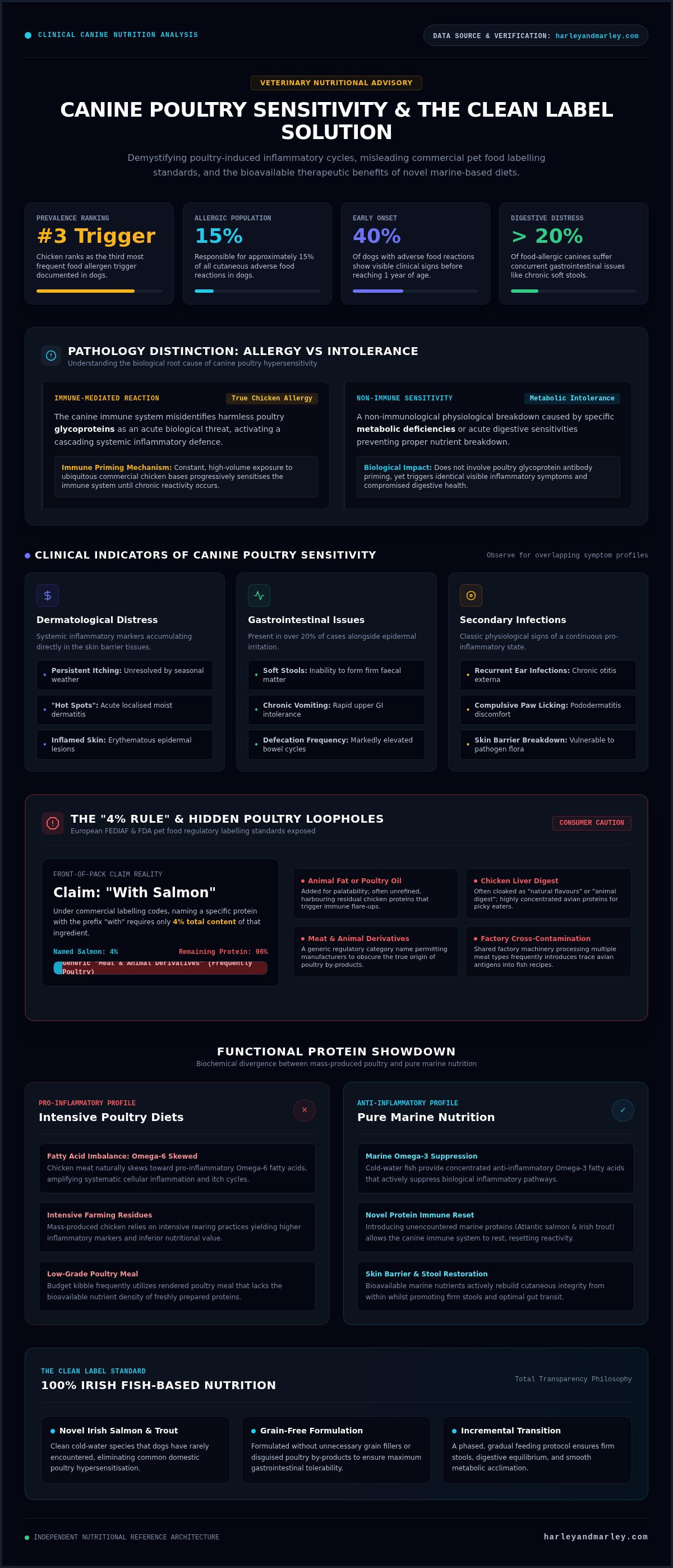
Chicken ranks as the third most frequent food allergen trigger in dogs, affecting roughly 15% of all allergic canines according to meta-analysis data. Whilst many owners use the terms interchangeably, there's a vital distinction between an allergy and an intolerance. A true chicken allergy is an immune-mediated response where the body misidentifies poultry glycoproteins as a threat. An intolerance, however, is a non-immune reaction caused by metabolic deficiencies or digestive sensitivities. Both result in a cycle of inflammation that compromises your dog’s quality of life and leads to visible distress.
The ubiquity of poultry in the pet food industry is often the root of the problem. Because chicken is an inexpensive, readily available protein, it's used as the primary base for the majority of commercial kibbles. This constant, high-level exposure often leads to sensitisation, where the immune system eventually becomes "primed" to react. To break this cycle, specialists often recommend hypoallergenic diets and novel proteins. By introducing a protein source your dog hasn't encountered before, such as Atlantic salmon or Irish trout, you allow the immune system to reset and the inflammation to subside naturally.
Common Symptoms of Poultry Sensitivity
Recognising the early warning signs is crucial for effective intervention. Approximately 40% of dogs with cutaneous adverse food reactions show clinical signs before they reach one year of age. For Irish owners seeking a reliable dog food without chicken, monitoring these specific indicators is the first step toward recovery:
- Dermatological Distress: Persistent itching, "hot spots", and inflamed skin that doesn't resolve with seasonal changes.
- Gastrointestinal Issues: More than 20% of food-allergic dogs experience soft stools, chronic vomiting, or increased defecation frequency.
- Secondary Infections: Recurrent ear infections and compulsive paw licking are classic signs that the body is in a pro-inflammatory state.
The Problem with Intensive Poultry Farming
Not all proteins are created equal. Mass-produced chicken often relies on intensive farming methods that can result in meat containing higher levels of inflammatory markers. Low-grade poultry meal, frequently used in budget kibble, is a far cry from the nutrient-dense profile of freshly prepared fish. Switching to a dog food without chicken removes these low-quality variables and replaces them with clean, marine-based nutrition. Whilst chicken is naturally skewed toward pro-inflammatory omega-6 fatty acids, cold-water fish provide high concentrations of anti-inflammatory omega-3s. This shift doesn't just stop the allergic reaction; it actively supports the skin barrier and promotes holistic health from the inside out.
How to Identify Hidden Chicken in Dog Food Labels
Finding a truly pure dog food without chicken is more difficult than the marketing on the front of the bag suggests. Many brands use bold "poultry-free" claims; however, a closer inspection of the composition often reveals a different story. Under current regulatory frameworks, including general FDA pet food labeling requirements and European FEDIAF codes, manufacturers are permitted to use generic category names that mask the specific origin of ingredients. This lack of transparency is a major hurdle for owners of sensitive pets who need absolute certainty.
A common trap for the unwary is the "with [ingredient]" rule. If a bag states it is "with Salmon", it only needs to contain 4% salmon to meet legal standards. The remaining protein often comes from "meat and animal derivatives", a vague term that frequently includes chicken by-products. Even if the protein source is clean, cross-contamination in factories that process multiple meat types can introduce avian antigens into supposedly fish-only recipes. For a dog with a severe sensitivity, even trace amounts are enough to trigger a painful dermatological flare-up.
Ingredients to Avoid on the Back of the Pack
When you're scanning the ingredient deck, certain red flags should immediately signal caution. These terms are often used to hide inexpensive poultry sources in what appears to be a premium recipe:
- Animal Fat or Poultry Oil: Whilst these are used for energy and palatability, they're often unrefined and contain residual proteins from chicken that trigger immune responses.
- Chicken Liver Digest: Frequently labelled as "natural flavours" or "animal digest", these are highly concentrated avian proteins used to make kibble more appealing to picky eaters.
- Meat and Bone Meal: This is a generic blend that can contain any slaughtered animal species, making it impossible to guarantee a chicken-free status for your pet.
Why Single-Protein Fish Recipes are Safer
The most effective way to manage a sensitivity is through a strict elimination diet using a single-protein source. Choosing a poultry free dog food Ireland owners can rely on means looking for "closed formulas" where every ingredient is named. Freshly prepared fish provides a clean, highly digestible alternative that eliminates the guesswork. This level of transparency ensures that what you see on the label is exactly what ends up in the bowl. If you're ready to simplify your dog's nutrition, our grain-free dog food range offers the purity and peace of mind you've been searching for.
Fish vs. Chicken: Why Fish is the Superior Protein
Whilst chicken is a staple in the pet food industry, it lacks the potent functional benefits found in high-quality marine proteins. Fish provides a complete amino acid profile essential for maintaining lean muscle mass, yet it does so without the inflammatory risks associated with common poultry glycoproteins. According to Tufts Cummings School of Veterinary Medicine research on canine food allergens, the frequent exposure to chicken in commercial diets is exactly what drives the high rate of sensitivity seen in modern dogs. Choosing a dog food without chicken isn't just about avoiding a trigger; it's about opting for a protein that actively supports the body's natural healing processes.
Digestibility is another area where fish excels. Fish protein is exceptionally gentle on the canine digestive system, making it an ideal choice for dogs with sensitive stomachs. For owners managing pets prone to loose stools, the high bioavailability of fish ensures that nutrients are absorbed efficiently. This results in smaller, firmer stools and a noticeable reduction in gastrointestinal discomfort. By prioritising a "clean label" protein source, you ensure your dog receives maximum nutritional value with minimal digestive strain.
Omega-3s: The Natural Anti-Inflammatory
The primary advantage of a fish-based diet lies in its rich concentration of long-chain Omega-3 fatty acids, specifically EPA and DHA. These essential fats act as natural anti-inflammatories, actively suppressing the pathways that lead to redness, itching, and skin irritation. Whilst chicken-based diets are often high in pro-inflammatory Omega-6 fatty acids, marine sources balance this ratio to fortify the epidermal lipid barrier. This biological support results in a lustrous, shiny coat and helps maintain mobile, healthy joints. It's a holistic approach to wellness that addresses both external appearance and internal vitality.
Hypoallergenic Properties of Fish
Fish is rarely identified as a primary allergen for dogs, making it a safe haven for pets struggling with traditional meat proteins. Using freshly prepared, sustainably sourced Irish fish ensures the protein remains pure and uncontaminated by hidden additives. This fish based dog food provides a complete and balanced meal that meets all FEDIAF nutritional guidelines. By switching to a dog food without chicken, you provide your pet with a nutrient-dense alternative that supports long-term health without the constant threat of an allergic flare-up.
Transitioning to a Chicken-Free Diet Safely
Switching your pet to a dog food without chicken isn't an overnight process. It requires a methodical approach to ensure the digestive system adapts to new protein structures without causing unnecessary stress. A sudden change can lead to gastrointestinal upset, which might be mistaken for a reaction to the new food itself. By following a structured 7 to 10 day transition, you allow the gut microbiome to adjust gradually, ensuring a smooth path to recovery. This measured pace is particularly important for dogs already dealing with high levels of systemic inflammation.
During this period, it's vital to monitor your dog's behaviour and stool consistency closely. You might notice a temporary "detox" phase where the body begins to shed the inflammatory load from previous poultry exposure. Whilst this is usually a sign of the immune system resetting, you should watch for any persistent lethargy. The goal is to see a gradual firming of stools and a reduction in the frantic scratching that often accompanies a chicken sensitivity. If your dog has a particularly sensitive stomach, don't be afraid to extend the transition to 14 days to ensure total comfort.
The 7-Day Transition Schedule
Consistency is the foundation of a successful dietary change. Use this incremental guide to move your pet onto their new marine-based nutrition:
- Days 1-3: Mix 25% of the new fish-based food with 75% of the old diet. This introduces the new amino acids gently while maintaining the familiar gut environment.
- Days 4-6: Move to a 50/50 split. Look for consistent stool quality and steady energy levels. If you notice any loose stools, stay at this ratio for an extra two days before proceeding.
- Day 7 onwards: If your dog is thriving, you can transition to 100% poultry-free meals.
Choosing Chicken-Free Treats and Supplements
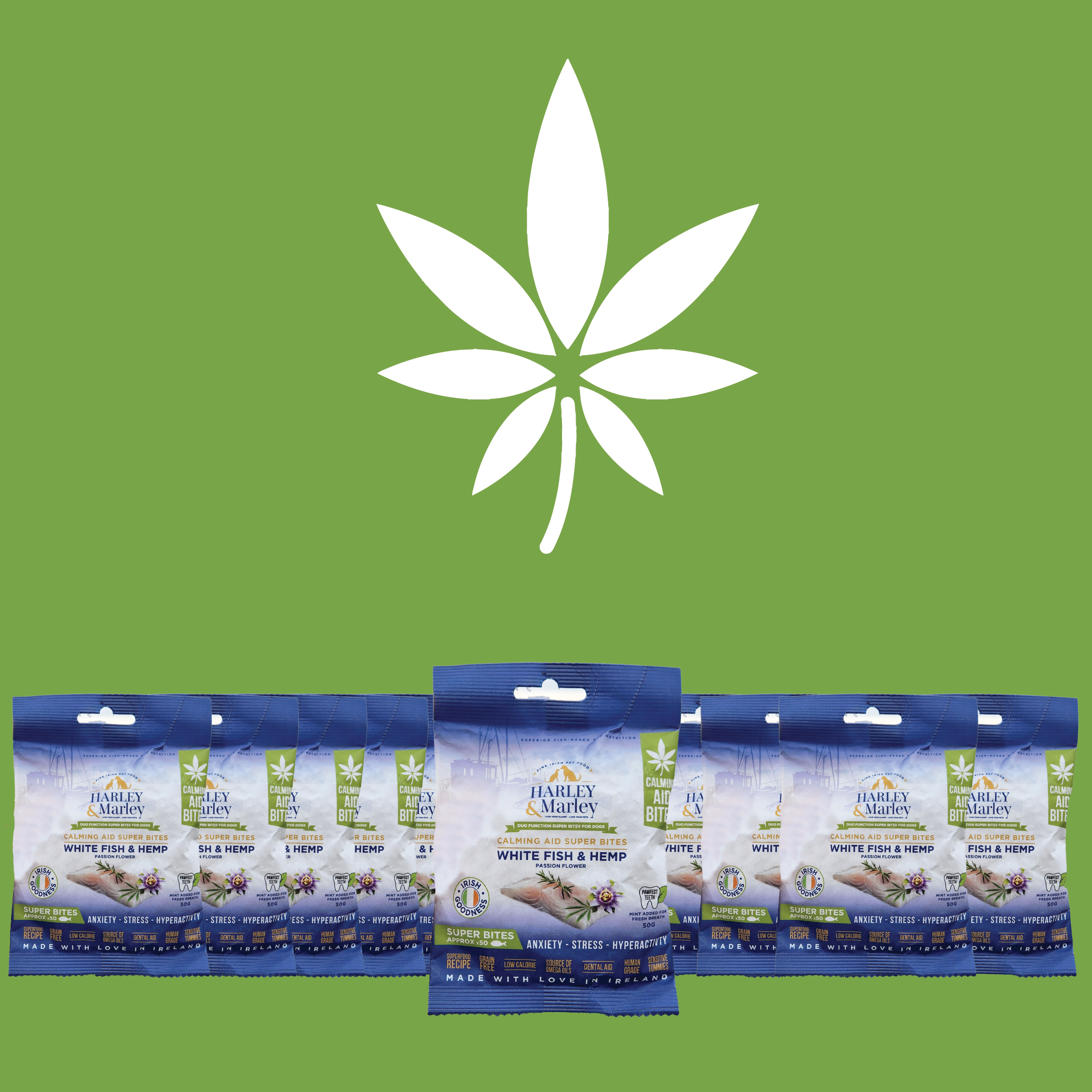
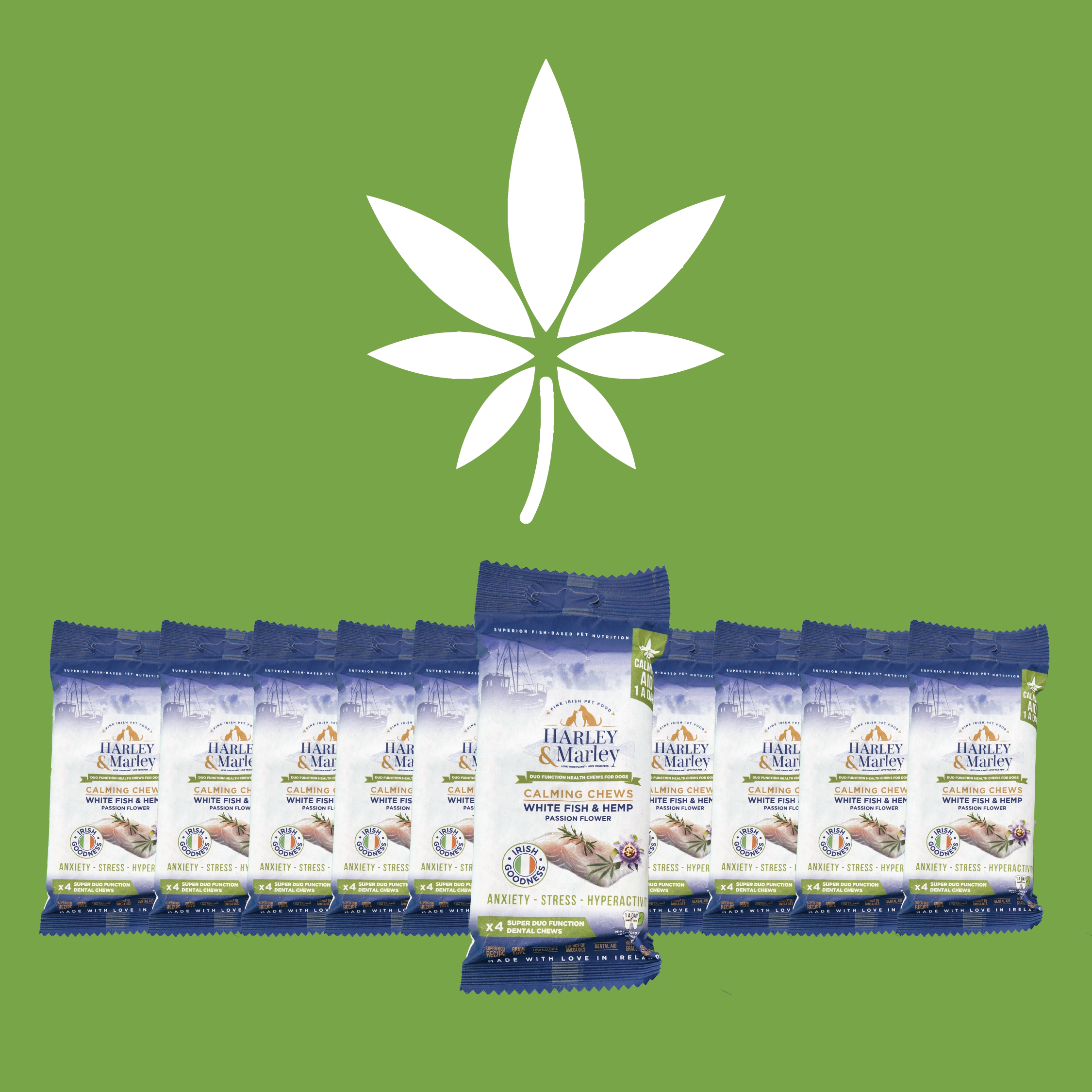
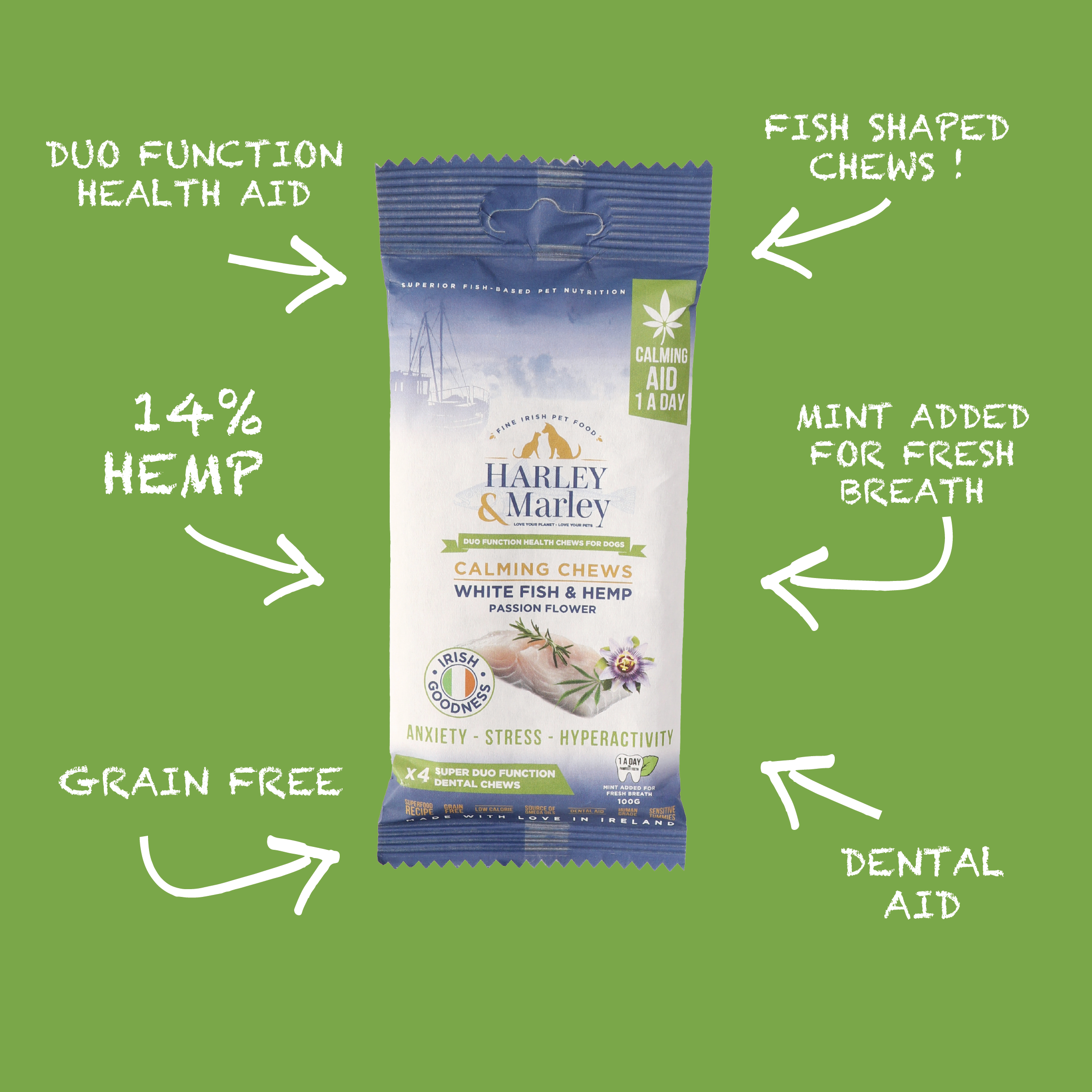
A common pitfall in allergy management is the "hidden chicken" found in rewards. Even a single chicken-based biscuit or a chew containing generic "animal derivatives" can trigger an immune flare-up, effectively resetting the clock on your progress. To achieve true remission, you must purge all avian proteins from the household. Replace processed treats with natural fish skins or dehydrated bites that complement their new diet and provide mechanical cleaning for teeth.
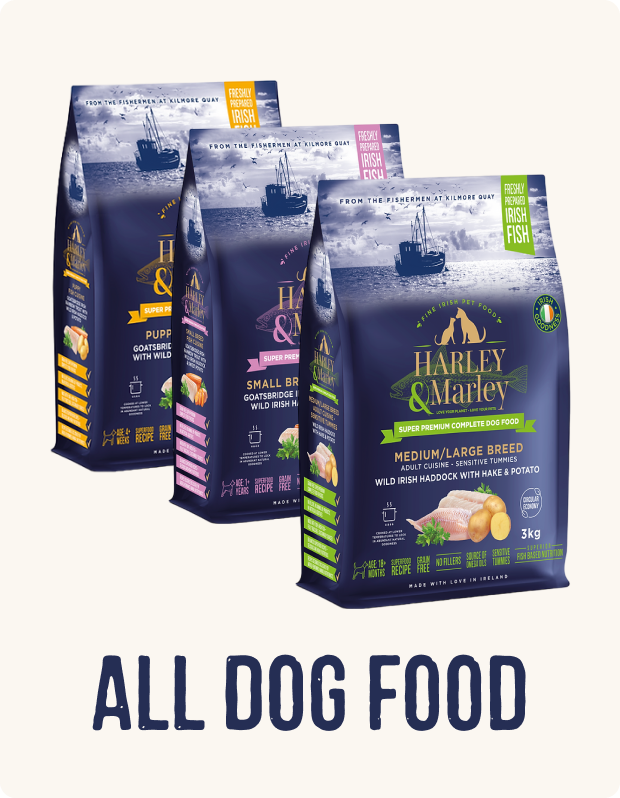
Integrating a pure, high-potency fish oil can further accelerate the healing of the skin barrier during this transition. The concentrated Omega-3s work synergistically with the complete food to reduce redness and promote a healthy, vibrant coat. If you're ready to start your dog's journey toward better health, our Grain-Free Dog Food provides the pure, Irish-sourced nutrition needed for a successful and lasting switch.
The Harley & Marley Difference: Pure Irish Fish Nutrition
Harley & Marley represents a fundamental shift in how we approach canine wellness. We believe that true health starts with absolute transparency and local craftsmanship. By focusing exclusively on marine proteins, we provide a dog food without chicken that eliminates the risk of hidden avian triggers. Our commitment to quality control means every batch is traceable, giving you the confidence that your dog is receiving only the finest Irish ingredients. It's a standard of care that prioritises the long-term vitality of your pet over the industrial convenience of mass-produced meat meals.
Sustainability is at the heart of our operations. We operate in direct partnership with leading Irish seafood processors, allowing us to divert roughly 95% of edible fish surplus into the circular economy. Instead of entering waste streams, these human-grade offcuts become the foundation of our super premium recipes. It's a boat-to-bowl approach that supports the national economy whilst providing your pet with fresh, nutrient-dense nutrition. To help you maintain this high standard, our dog food subscription Ireland service ensures a reliable supply of allergy-safe food is delivered directly to your door.
Tailored Nutrition for Every Life Stage
Every dog has unique biological requirements depending on their age and size. Our range is scientifically formulated to meet these specific needs without compromising on protein purity:
- Growth and Development: Our fish-based puppies formula supports brain and bone health during those vital early months.
- Structural Support: For bigger dogs, our large breed dog food Ireland guide highlights how Omega-3s protect heavy-duty joints.
- Senior Vitality: Older companions benefit from easily digestible proteins that are gentle on sensitive tummies whilst supporting cognitive function.
- Small Breed Precision: We offer specific kibble sizes designed for smaller mouths to ensure optimal digestion and nutrient uptake.
Conscious Expertise and Quality Control
We're a "Guaranteed Irish" business that prioritises pet health over industrial profit. Our "Clean Label" guarantee means you won't find vague terms like "meat derivatives" or "poultry digest" on our packs. We lead with science and ethics, ensuring that our dog food without chicken remains a safe haven for sensitive pets. By joining our community, you're choosing a trusted local partner dedicated to the tangible joy of a thriving, itch-free animal. We're bold innovators, willing to challenge industry norms to ensure your dog lives their best, most vibrant life.
Restoring Vitality through Pure Nutrition
Identifying a truly reliable dog food without chicken is the first step toward ending the cycle of irritation and discomfort for your pet. By moving beyond vague ingredient labels and embracing the anti-inflammatory power of marine proteins, you provide the biological support needed for a resilient skin barrier and stable digestion. This transition is not merely about removing a trigger; it's about choosing a nutrient-dense foundation that promotes long-term health and vitality whilst respecting your dog's natural requirements.
As an Irish-owned business, we take pride in our sustainably sourced, super premium grain-free recipes. Our formulas are trusted by thousands of sensitive dogs across Ireland, offering a transparent "clean label" approach that eliminates the guesswork from mealtime. You have the power to transform your dog's quality of life with a diet that respects their biology and the environment. Browse our 100% Chicken-Free Fish Dog Food Collections today. Your companion’s journey to a happier, itch-free life starts with the very next bowl.
Frequently Asked Questions
Can my dog be allergic to chicken but not turkey?
Yes, but cross-reactivity is common amongst poultry species. Whilst some dogs react specifically to chicken glycoproteins and can tolerate turkey, the structural similarity between avian proteins often triggers a similar immune response. For dogs with severe sensitivities, switching to a completely different protein category, such as fish, is the most reliable way to ensure total remission. This approach avoids the risk of cross-contamination often found in poultry-based processing facilities.
How long does it take to see results after switching to chicken-free dog food?
You should notice digestive improvements within 7 to 10 days, whilst skin issues typically take longer to resolve. Dermatological remission usually requires a strict elimination trial of 8 to 12 weeks. This timeframe allows inflammatory markers to subside and the epidermal barrier to regenerate. Consistency is vital during this period; even a single chicken-based treat can reset the progress of your dog food without chicken transition and delay healing.
Is grain-free dog food always chicken-free?
No, grain-free recipes often rely on chicken as a primary protein source. The term "grain-free" only indicates the absence of cereals like wheat or maize, not the exclusion of specific meat proteins. Many grain-free kibbles still contain chicken meal, poultry fat, or hydrolysed animal proteins. Always scrutinise the ingredient deck for hidden avian components to ensure the product is truly poultry-free rather than just being free from cereals.
What are the best protein alternatives to chicken for dogs with allergies?
Freshly prepared fish, such as Atlantic salmon, haddock, and trout, is the gold standard for sensitive dogs. These marine proteins are highly bioavailable and provide a novel amino acid profile that the immune system is less likely to target. Unlike red meats, cold-water fish are naturally rich in Omega-3 fatty acids. This makes fish a superior choice for fortifying the skin barrier and reducing systemic inflammation compared to other common alternatives.
Can I feed my dog fish every day as their main protein?
Yes, high-quality fish provides a complete and balanced amino acid profile suitable for daily feeding. Our recipes are formulated to meet all FEDIAF nutritional guidelines, ensuring your dog receives the necessary proteins, fats, and minerals for long-term health. Daily fish consumption offers a steady supply of EPA and DHA, which actively supports joint mobility and cognitive function whilst maintaining a lustrous, healthy coat without the need for any meat-based proteins.
What should I do if my dog is still itchy after removing chicken?
Check for hidden triggers in treats, supplements, or dental chews that might still contain poultry derivatives. If the itching persists after a strict 8-week trial of dog food without chicken, your pet might be reacting to environmental allergens like pollen or dust mites. In some cases, a secondary yeast or bacterial skin infection may have developed, which requires professional attention to resolve alongside their updated, clean-label nutritional plan.
Are there hidden chicken ingredients in standard dog treats?
Yes, standard treats frequently contain "animal derivatives" or "poultry fat" to enhance palatability. These vague terms often mask inexpensive chicken by-products that can trigger sensitive dogs. Even treats labelled as "beef" or "lamb" flavour often use chicken liver digest for aroma. To avoid accidental exposure, opt for single-ingredient fish skins or 100% fish-based bites that align with a clean label philosophy and guarantee total protein purity for your pet.
Is fish-based dog food suitable for all breeds and ages?
Absolutely, fish-based nutrition is highly versatile and supports dogs from puppyhood through to their senior years. We provide specific formulas tailored for puppies, small breeds, and large breeds to ensure optimal kibble size and nutrient density. The high digestibility of fish protein is particularly beneficial for senior dogs with sensitive tummies, whilst the natural Omega-3 content supports growth and joint health across every life stage and breed type.